Patan, Gujarat
Buy Patan Patola Sarees Online
Explore original Patan Patola sarees: double ikat pieces hand-woven in Patan, Gujarat, with both warp and weft resist-dyed before weaving so the pattern falls identically on both sides. Shipped across India and worldwide.
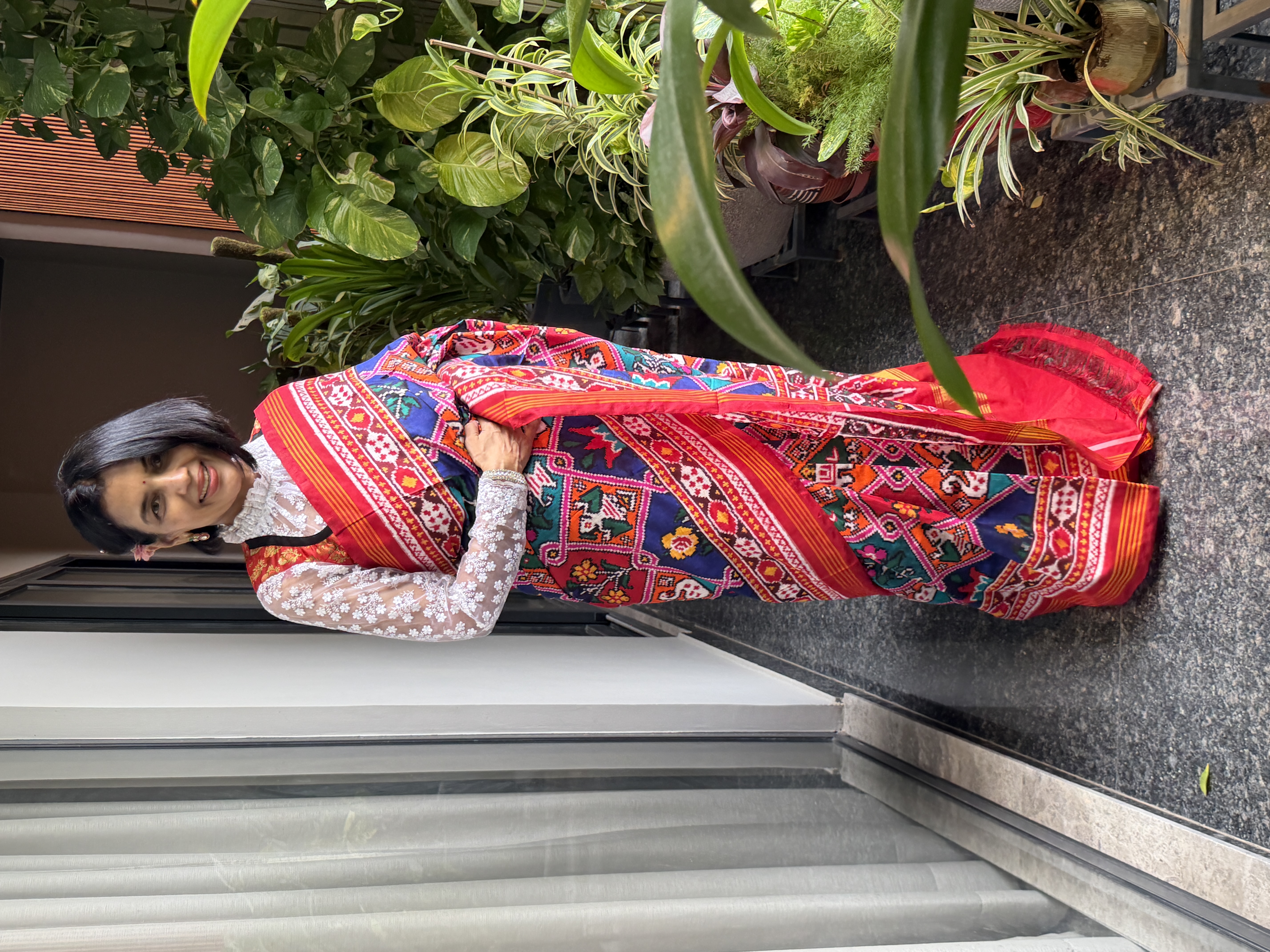
Patan Patola · Pure Silk
Double Ikat Rangkaat Patan Patola Silk Saree
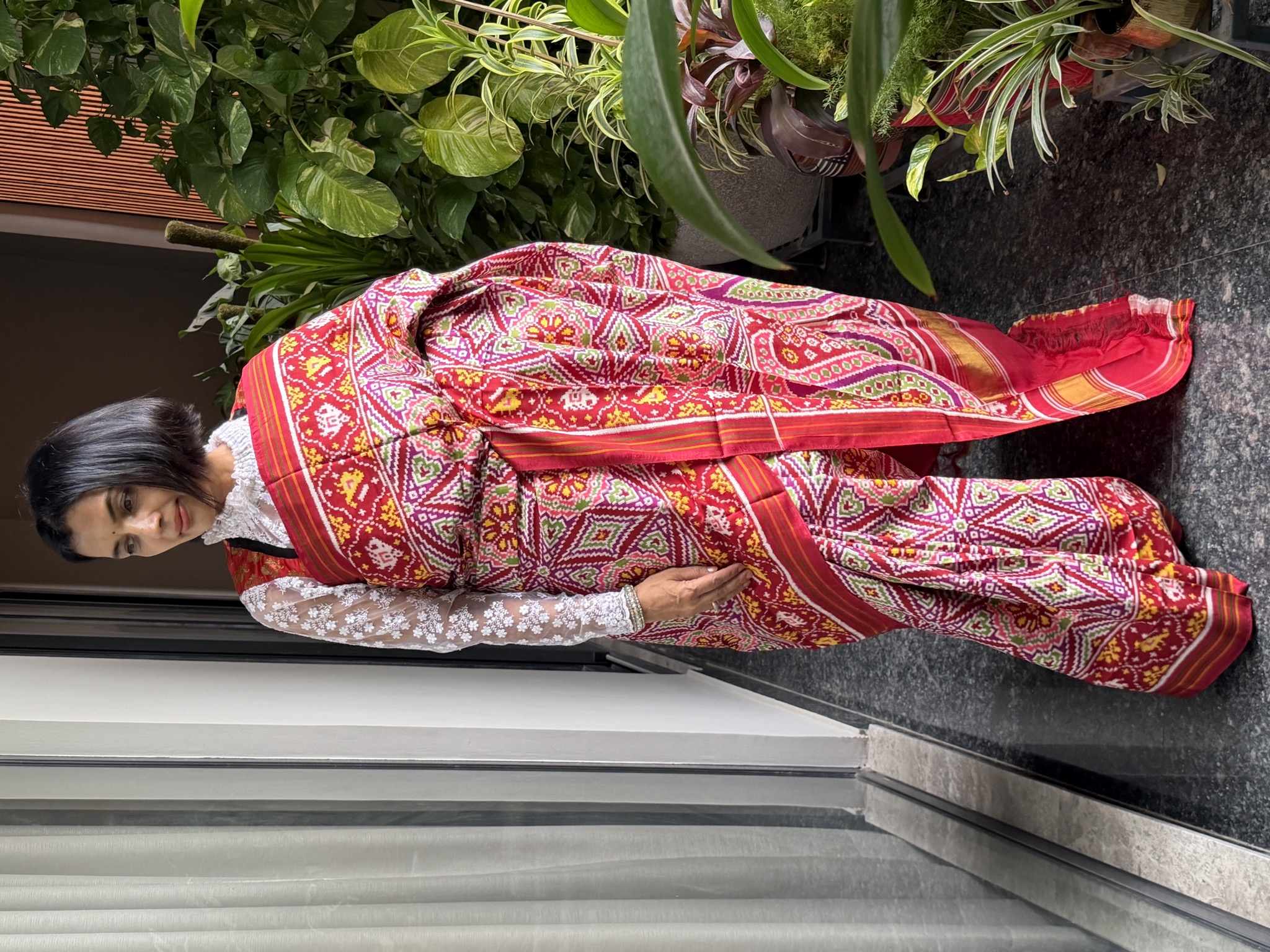
Patan Patola · Pure Silk
Double Ikat Patan Patola Silk Saree in Crimson Red
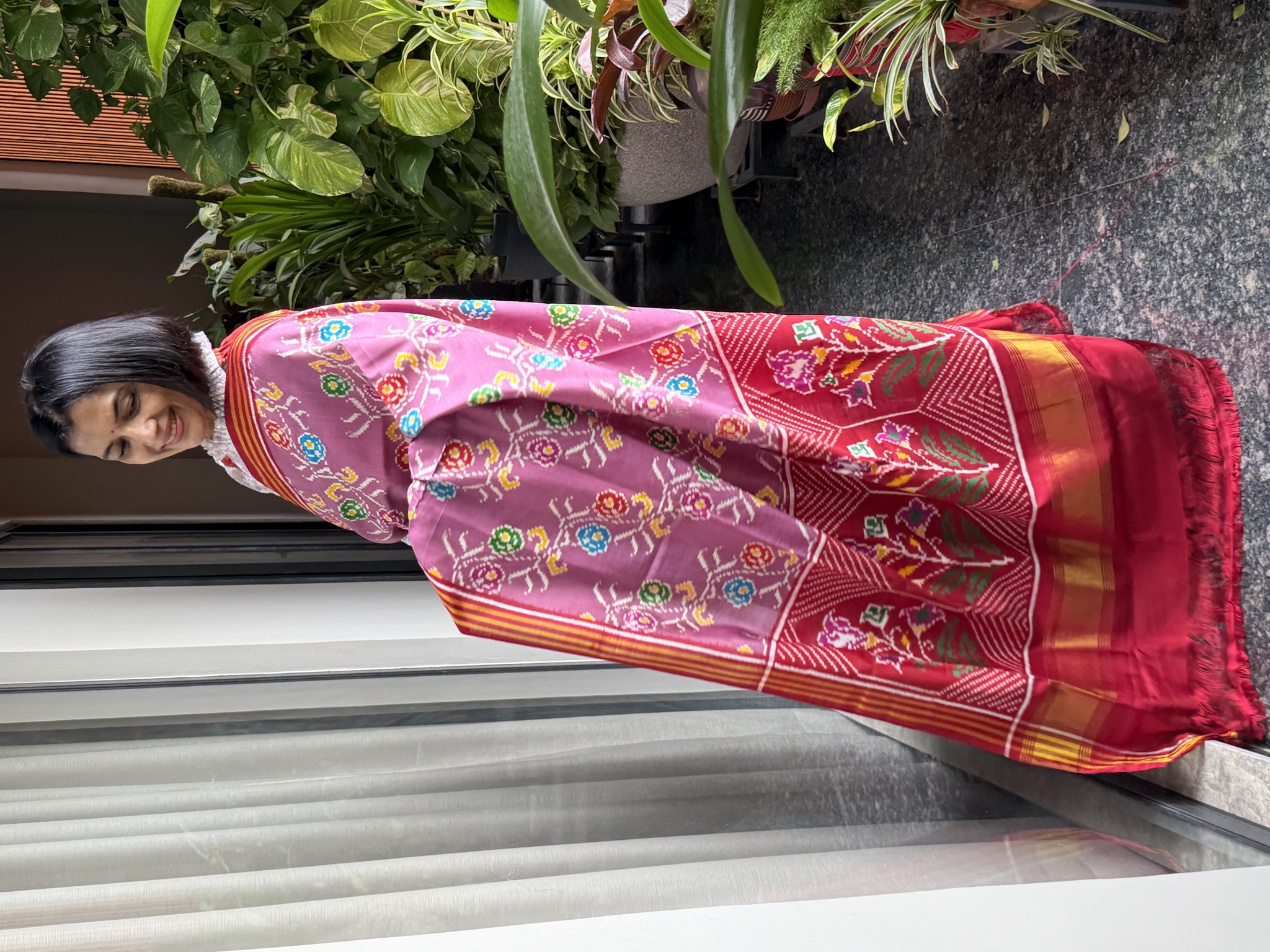
Patan Patola · Pure Silk
Double Ikat Patan Patola Silk Saree in Rose Pink
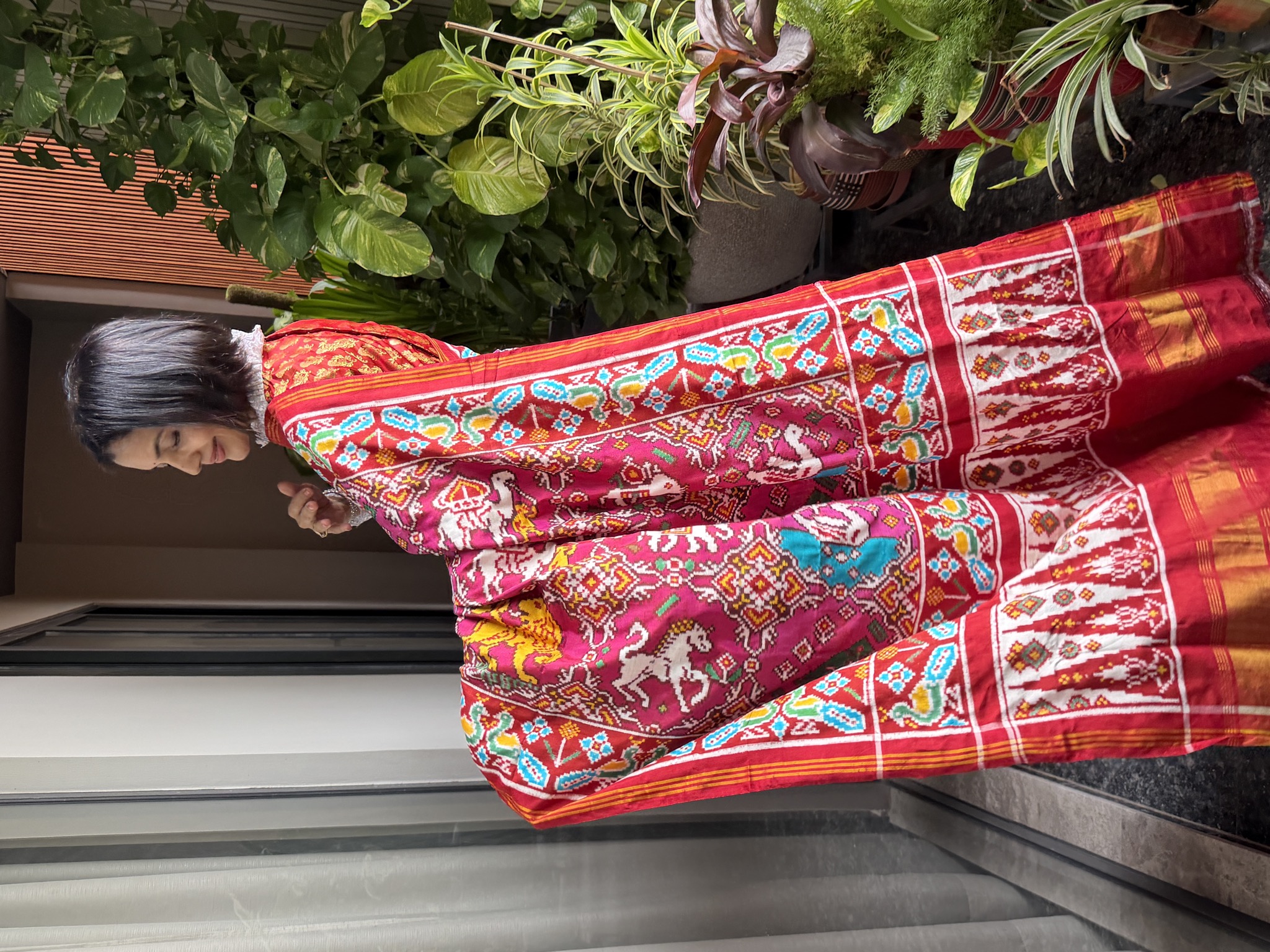
Patan Patola · Pure Silk
Double Ikat Patan Patola Silk Saree in Crimson & Magenta — Animal Bhat
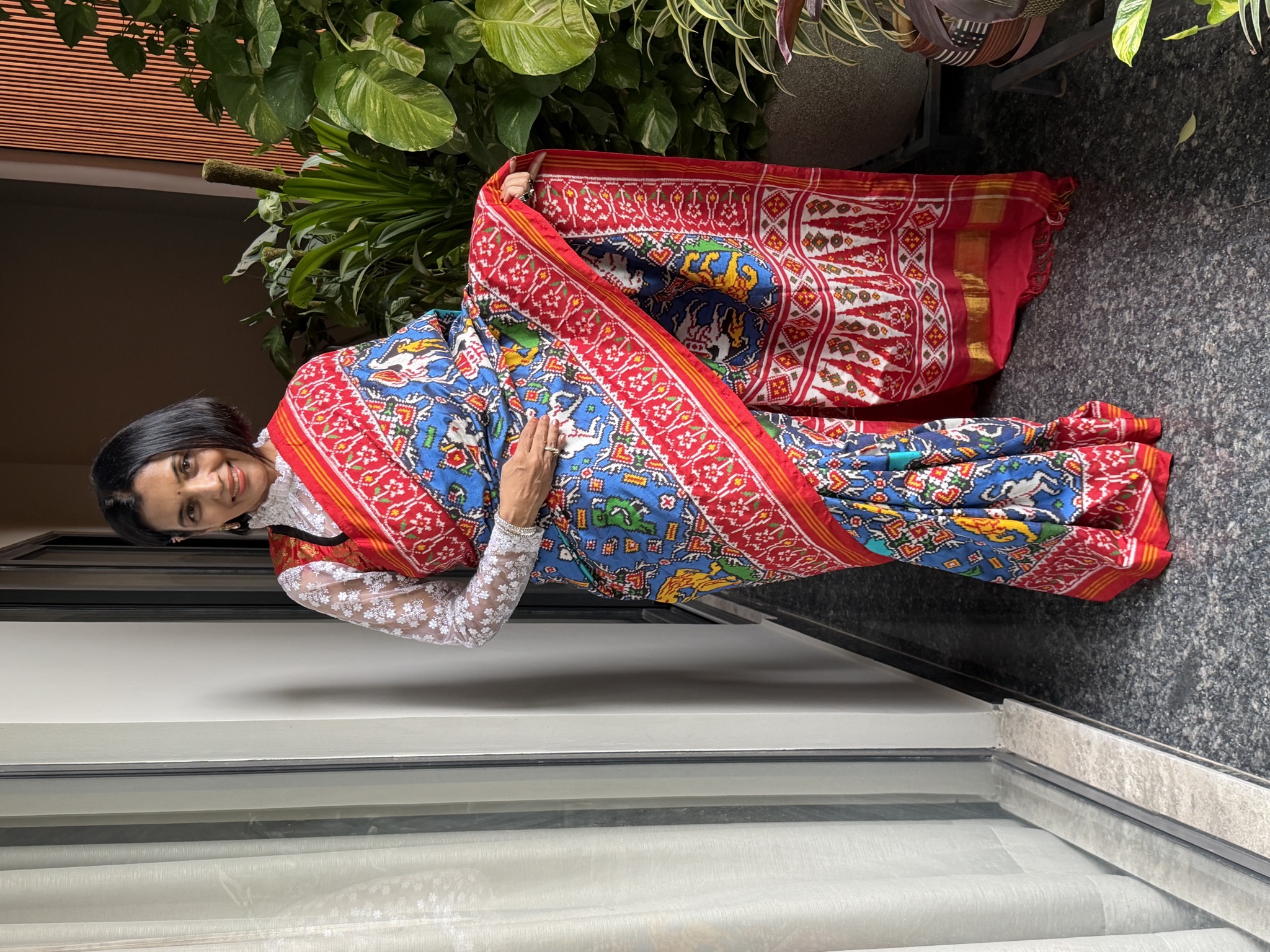
Patan Patola · Pure Silk
Double Ikat Patan Patola Silk Saree in Red & Blue — Animal Bhat
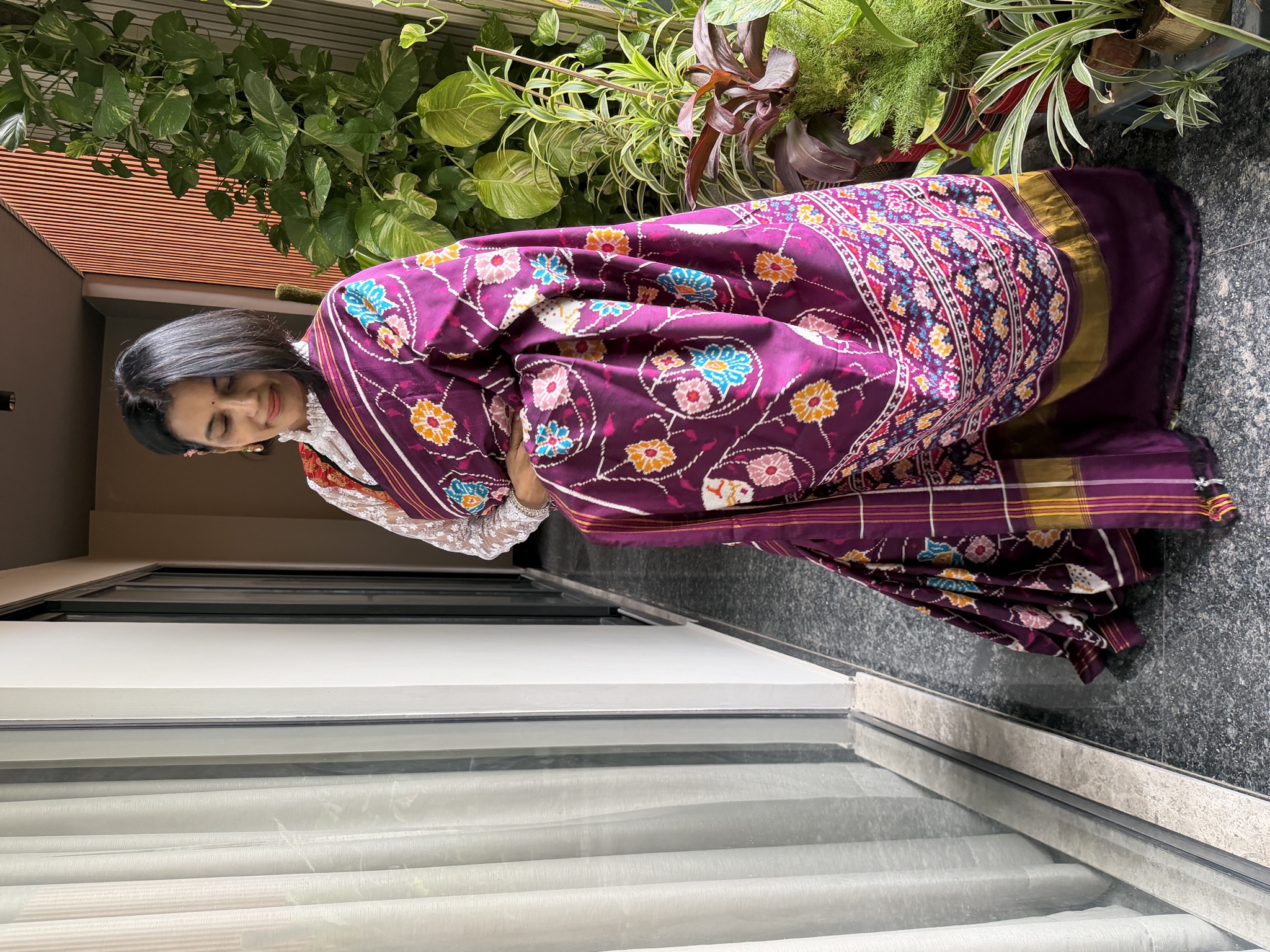
Patan Patola · Pure Silk
Double Ikat Patan Patola Silk Saree in Deep Purple
About the craft
Patan Patola is one of the most complex weaving traditions in the world. Unlike single ikat, where only the warp or weft is resist-dyed, double ikat requires both sets of threads to be individually tied and dyed in the exact final pattern before a single thread is placed on the loom. Aligning them by hand during weaving so the design falls perfectly on both sides — with no distinguishable right or wrong side — is what makes a saree a genuine Patan Patola.
The craft is kept alive today by just a handful of master-weaver families in Patan, Gujarat, practising a technique passed down for over 700 years. A single saree can take anywhere from six months to a year to complete, which is why Patan Patola has historically been woven for royalty and remains one of the most prestigious sarees for weddings and heirloom occasions.
What makes a saree a genuine Patan Patola?
A genuine Patan Patola is double ikat — both the warp and the weft threads are individually resist-dyed in the exact pattern before a single thread is placed on the loom, so the design appears identically on both sides of the fabric with no wrong side. It is woven only in Patan, Gujarat, by a handful of families who have practised the craft for over 700 years, and a single saree can take six months to a year to complete.
How is Patan Patola different from single ikat or printed "patola-style" sarees?
Single ikat resist-dyes only the warp or only the weft, and printed "patola-style" fabric is not woven at all — the pattern is printed on plain cloth. Genuine double ikat Patan Patola requires both sets of threads to be dyed with pinpoint precision so they align perfectly when woven, which is what makes it reversible and so labour-intensive.
Is Patan Patola a good choice for a wedding saree?
Yes — Patan Patola has historically been woven for royalty and is considered one of the most prestigious drapes for weddings and heirloom occasions in India, prized for its vivid geometric and figurative motifs (elephants, parrots, dancing dolls) and its durability; a well-kept Patola can last generations.
How should I care for a Patan Patola saree?
Dry clean only, and store folded in soft muslin away from direct light and moisture. The natural dyes and dense silk weave are long-lasting when cared for properly, which is part of why Patola sarees are traditionally passed down as heirlooms.
Do you ship Patan Patola sarees internationally?
Yes — Sohum Sutras ships worldwide from India for a flat ₹5,000 per order, delivered in 10–15 business days. Customs or import duties, where applicable, are the buyer’s responsibility. Message Kiran on WhatsApp at +91-9810530027 to arrange an international order.